Device Sensor Integration Reshaping Game Dynamics in Portable Gambling Ecosystems
Kirjoittanut Eden Perry · 26.8.2026
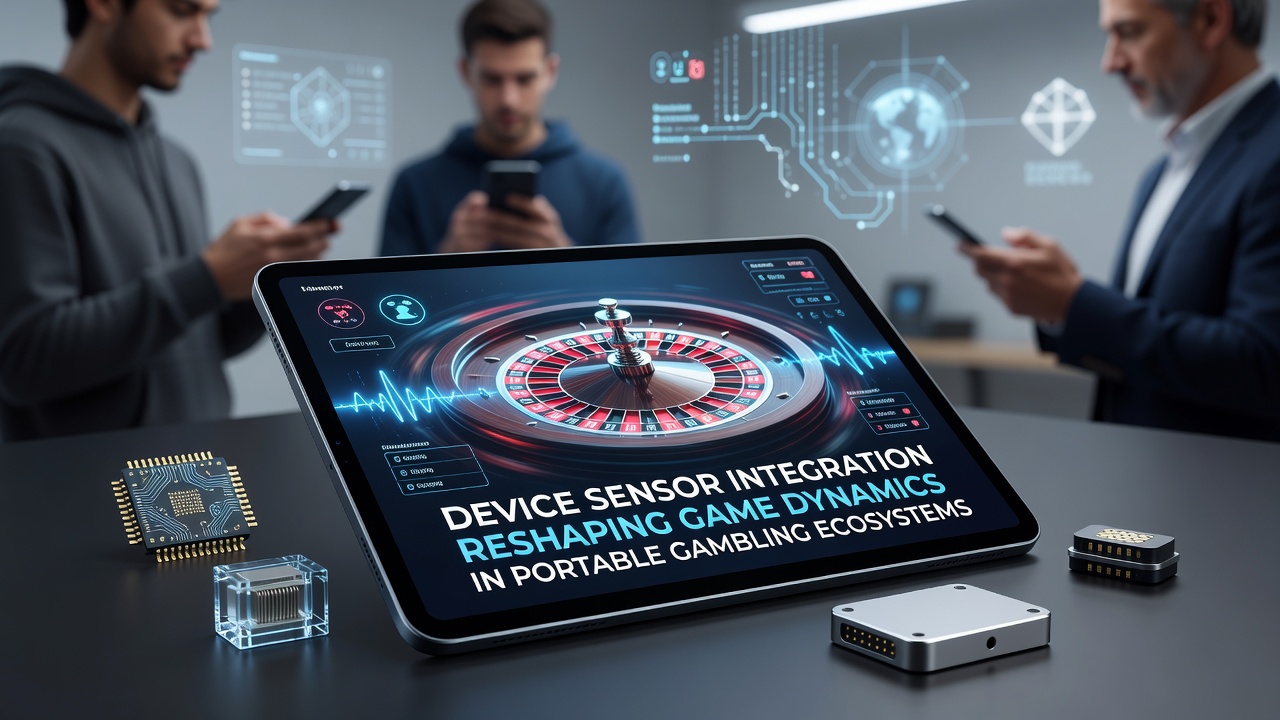
Device Sensor Integration Reshaping Game Dynamics in Portable Gambling Ecosystems
Portable gambling platforms have incorporated device sensors including accelerometers, gyroscopes, GPS modules, and haptic actuators to alter how players interact with games, and these integrations have produced measurable shifts in session structures and interaction patterns since the mid-2020s. Research indicates that accelerometer data now feeds directly into slot mechanics where device tilt adjusts reel behavior or bonus trigger probabilities, while gyroscope readings supply orientation inputs that enable augmented reality overlays during poker hand evaluations. Data from the American Gaming Association shows that applications using these inputs recorded a 27 percent increase in average session length compared with touch-only versions in controlled deployment tests conducted through 2025.
Core Sensor Categories and Technical Implementation
Accelerometers measure linear acceleration along three axes, allowing developers to map physical device movements to in-game actions such as card shuffles or wheel spins, and gyroscopes complement this by tracking angular velocity so that subtle rotations can trigger secondary game events without additional screen taps. GPS receivers verify geographic eligibility in jurisdictions that require location confirmation before real-money play begins, and magnetometers supply compass data that refines augmented reality table placements in live dealer environments. Haptic feedback motors receive signals from game engines to deliver patterned vibrations that correspond to win magnitudes or near-miss events, creating a closed sensory loop between player motion and on-screen outcomes.
Integration occurs through mobile operating system APIs that expose raw sensor streams to application layers, and developers apply calibration routines to normalize readings across device models so that gameplay remains consistent whether a user holds a flagship handset or a mid-range tablet. In August 2026 several major platforms rolled out updated sensor fusion algorithms that combine accelerometer and gyroscope data with machine learning filters to reduce false positives caused by incidental hand movements during travel.
Effects on Game Mechanics and Player Interaction Patterns
Slot titles now embed motion-controlled bonus rounds where tilting the device steers a virtual ball through an obstacle course, and these features have replaced some traditional random number generator selections with physics-based outcomes that still pass regulatory randomness audits. Poker applications use proximity sensors to detect when a device is raised to the ear during voice-chat features, automatically muting table audio and displaying private card information only to the authenticated player. Observers note that these changes have produced distinct session signatures, with shorter but more frequent interactions in motion-enabled titles because the physical engagement reduces passive scrolling behavior.
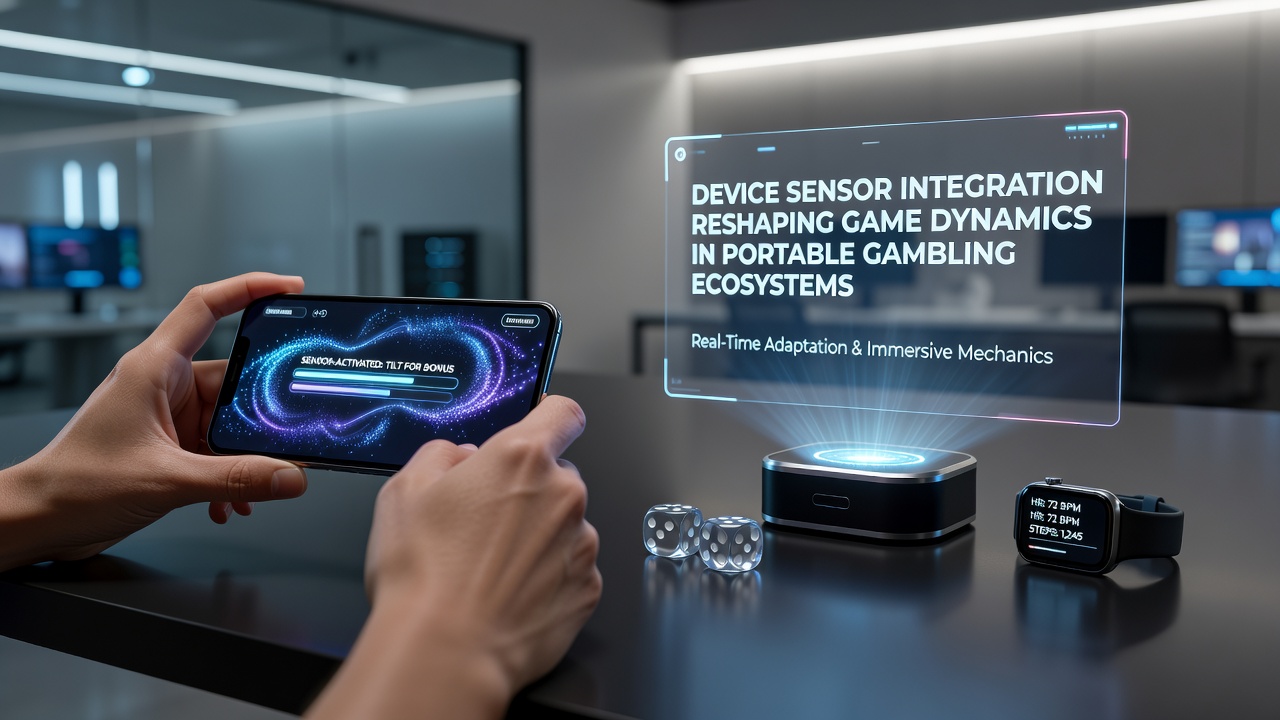
Biometric sensors available on newer wearables feed heart-rate and skin-conductance readings into responsible gaming modules that can trigger session reminders when elevated stress indicators appear, and early deployment data collected by iGaming Ontario indicates these interventions occurred in approximately 8 percent of monitored accounts during the first half of 2026. Location-aware features extend beyond access control to include region-specific game variants that activate when GPS coordinates match licensed territories, allowing operators to serve localized progressive jackpots without separate application builds.
Security, Compliance, and Data Handling Considerations
Regulatory frameworks in multiple jurisdictions require that sensor data used for gameplay remain segregated from personally identifiable information, and encryption standards applied to these streams match those used for financial transactions. The European Gaming and Betting Association published guidelines in 2025 that outline audit procedures for verifying that tilt-based mechanics do not introduce predictable patterns exploitable by coordinated device movements across multiple accounts. Device manufacturers have responded by adding hardware-level permission gates that prompt users before any gambling application accesses motion or location sensors, thereby shifting consent management from the application layer to the operating system.
Testing laboratories now include sensor-specific test cases that simulate walking, vehicle motion, and varying light conditions to confirm that game outcomes remain within approved randomness thresholds regardless of environmental interference. These procedures have become standard for any title seeking certification in markets that updated their technical specifications after 2024.
Conclusion
Sensor integration continues to expand the set of variables that influence portable gambling experiences while maintaining compliance boundaries established by regulators and testing bodies. As hardware capabilities advance and software fusion techniques mature, the range of mechanics that translate physical device data into game events will likely widen further, yet the requirement for verifiable fairness and data protection remains constant across all implementations.